Wan 3.0
Wan 3.0 Free AI Video Generator
Create 2–30s 1080p videos online with Alibaba Wan 3.0 in Happy Wan. Combine text, up to 10 reference images or first/last frames with synced native audio.
What Is Wan 3.0 AI Video Generator?
Wan 3.0 is Alibaba’s flagship multi-modal AI video generation model available online in Happy Wan, engineered for 2-to-30-second spatio-temporal storytelling, up to 10 reference images, first-and-last-frame transitions, and synchronized native audio.
Whether drafting fast 480P/720P storyboard sequences or rendering 1080P HD commercial clips, Wan 3.0 combines coherent camera choreography with optional character dialogue, Foley effects, and ambient soundscapes.
Wan 3.0 Core Video Technologies & Key Features
2–30s Long-Horizon Spatio-Temporal Storytelling
Wan 3.0 brings text, reference images and first-frame direction into a single video workflow. Start a Wan 3.0 shot with a clear action, choose a supported duration and resolution, and decide whether the shot needs audio. Build character moments, product reveals or an establishing scene with a brief you can refine shot by shot.
- Specify subject & surface materials
- Include wind, water, or gravity cues
- Maintain coherent 3D perspective
Up to 10 Reference Images & First/Last Keyframes
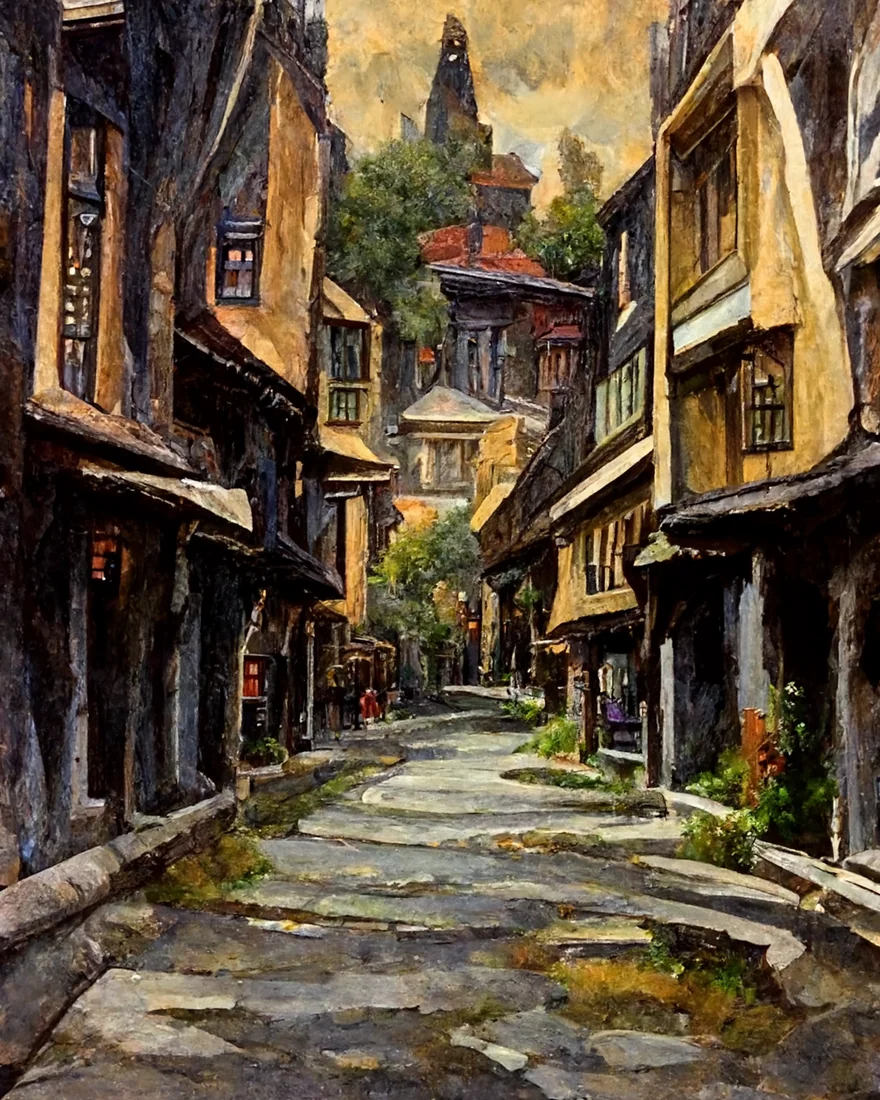
Choose image references in Wan 3.0 for appearance and setting, or frames mode when a specific beginning and ending guide the shot. Explain the action between those moments. This Wan 3.0 workspace accepts image references; keep video, audio and document references outside this workflow.
- Name dolly, orbit, or tracking paths
- Control framing scale & rack focus
- Keep background architecture stable
Native Audio-Visual Sync: Dialogue, Foley & Ambience
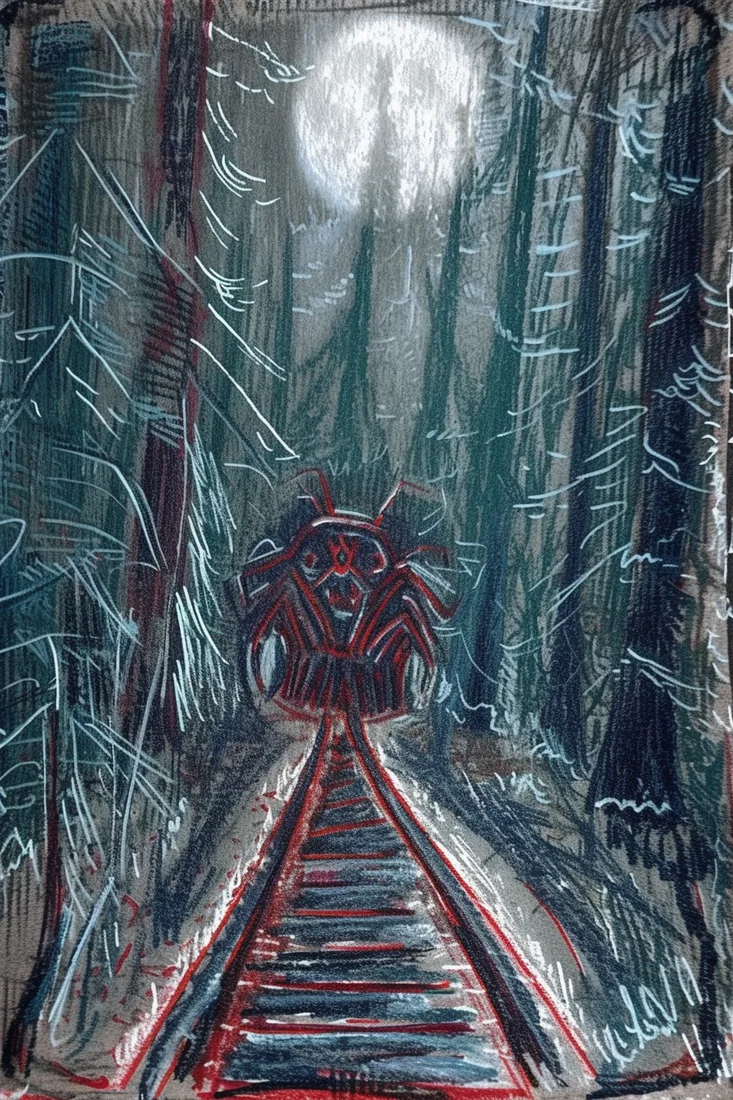
Wan 3.0 supports fixed lengths from 2 to 30 seconds and 480P, 720P or 1080P output in this workspace. Image mode in Wan 3.0 offers up to ten ingredients or a first and optional last frame. Choose a length deliberately; automatic duration is unavailable here.
- Assign clear roles to each reference
- Preserve facial & wardrobe identity
- Match color temperature across cuts
480P Drafts to 1080P HD Masters with Clear Quotes
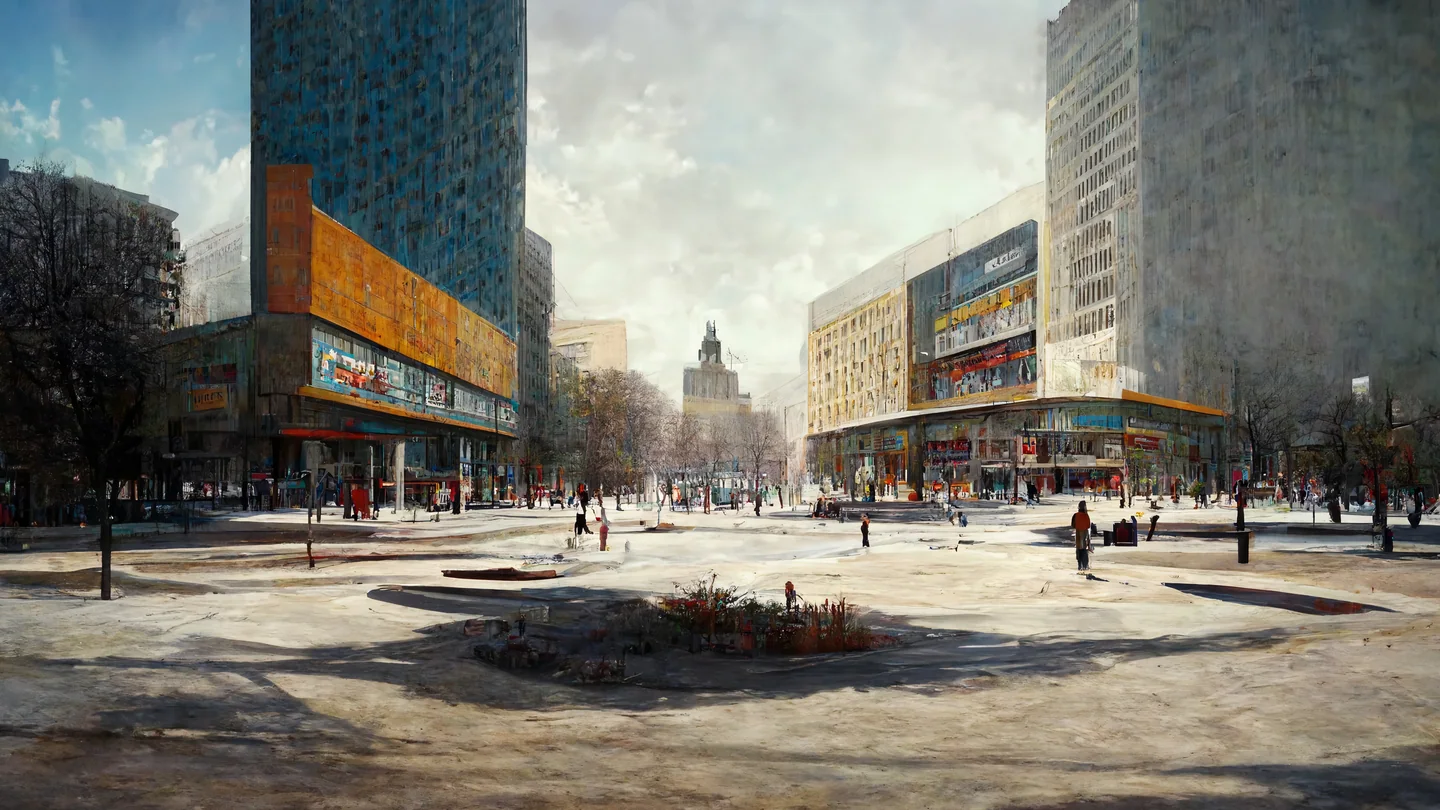
A character crossing a rainy street, water running through a forest or fabric moving around a product gives the Wan 3.0 shot one readable event. Describe sound only when audio is selected. Check motion, faces, text and the full ending before selecting a clip for your edit.
- Draft fast before 1080P final renders
- Match 16:9, 9:16, or 1:1 channels
- Verify live credit quotes upfront
Grounded Physical Pacing & Endpoint Control
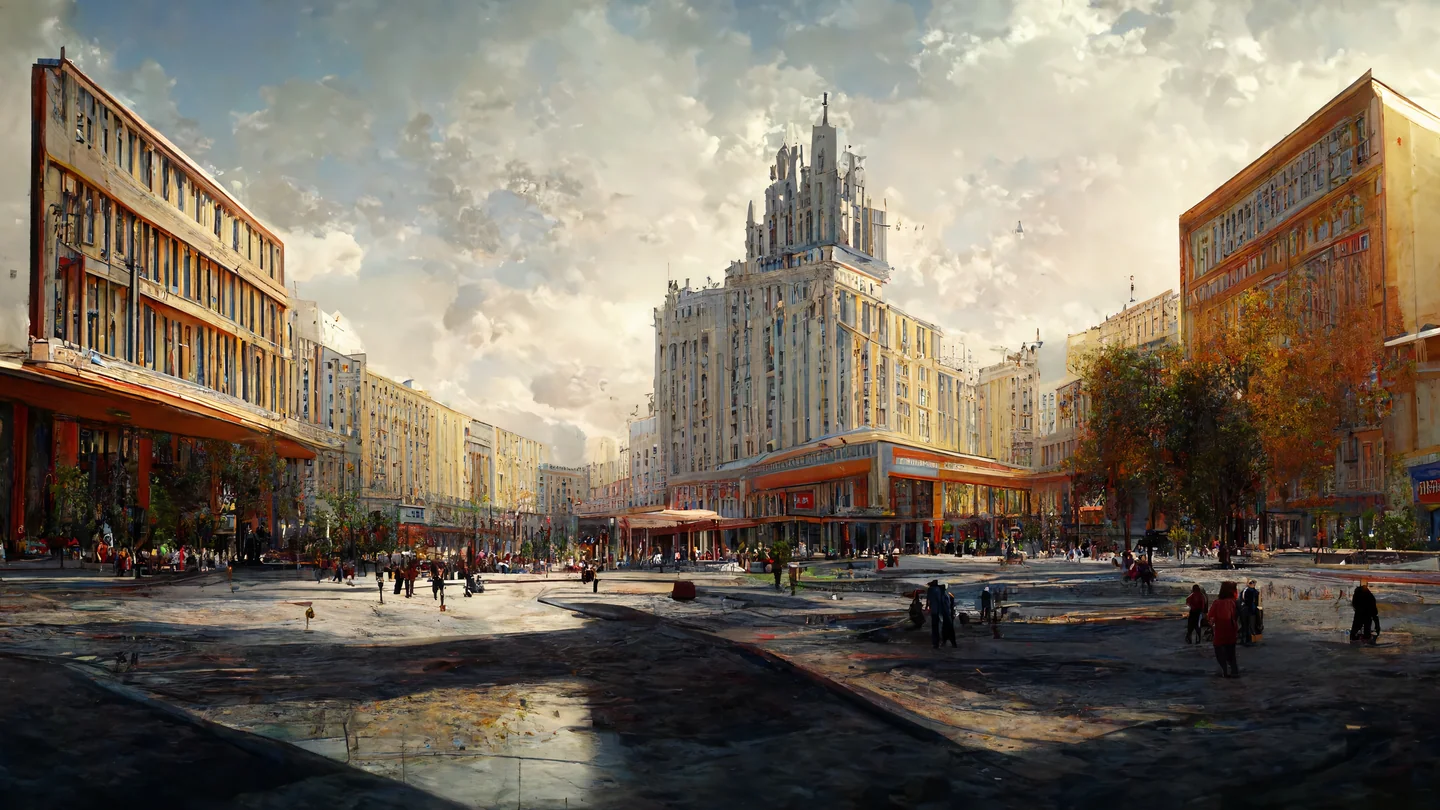
Structure each take around a clear opening composition, one continuous physical event, and an intentional resting frame. Validate camera speed, light falloff, and motion inertia on a short draft before rendering 1080P masters for your timeline.
- Lock opening composition & key light
- Direct one continuous physical action
- Plan clean resting frames for editing
How to Use Wan 3.0 Online in Four Steps
Turn your scene description, keyframes, or reference images into a 1080p video clip online with {name}—with transparent upfront credit quotes.
1. Enter Scene Prompt or Reference Media
Describe the subject, physical motion, and camera trajectory, or attach supported reference images and keyframes for this workflow.
2. Select Aspect Ratio, Length & Quality
Pick horizontal (16:9), vertical (9:16), or square (1:1) framing, choose duration and resolution up to 1080P, and set audio preferences.
3. Verify Live Credit Quote & Generate
Review the exact upfront credit cost in the workspace panel before launching cloud generation—protected by automatic refunds on failed tasks.
4. Preview Full Motion & Export HD MP4
Inspect subject continuity, lighting, and pacing from first to final frame in Assets, refine with seed lock if needed, and download.
Wan 3.0 Video Prompt Examples & Shot Showcase
4-Part Director Camera Prompt Template
Subject & Texture: [A protagonist in a tailored dark wool coat] crossing a rain-slicked neon intersection; Physics: wind lifts coat hems while footsteps send ripples across puddles; Camera: slow dolly push-in into a smooth lateral tracking medium shot with shallow depth of field; Lighting & Audio: warm storefront glow against cool wet pavement reflections, crisp rain and footsteps.
Multi-Reference Character & Product Lock Template
Reference Lock: Use [Reference Image 1] for facial identity, hairstyle, and wardrobe silhouette, and [Reference Image 2] for the faceted glass perfume bottle and brushed gold cap; Camera & Light: gentle 180° orbital arc from front medium shot to rim-lit close-up while preserving subject and product fidelity.
Wan 3.0 Specifications & Workflow Comparison
Compare supported inputs, clip durations, resolutions, and audio controls across all four studio video workflows in Happy Wan.
| Setting | Wan 3.0This model | Wan 3.0 Prime | HappyHorse 1.1 | HappyHorse 1.1 Reference |
|---|---|---|---|---|
| Starting point | Text or image | Text or image | Text or image | Images |
| Duration | 2–30 s | 2–30 s | 3–15 s | 3–15 s |
| Resolution | 480P · 720P · 1080P | 480P · 720P · 1080P | 720P · 1080P | 720P · 1080P |
| Image references | Up to 10 images, or first / last frames | Up to 10 images, or first / last frames | One image | Up to 9 images |
| Sound control | Optional audio | Optional audio | No audio switch | No audio switch |
| Recommended draft length | 5 s | 5 s | 5 s | 5 s |
| Supported image formats | JPG · PNG · WebP | JPG · PNG · WebP | JPG · PNG · WebP | JPG · PNG · WebP |
Commercial Value & Industry Use Cases of Wan 3.0
Brand Commercials & Product Hero Clips
Showcase luxury materials, glass refraction, cosmetics textures, and dynamic product reveals in 1080P without booking physical studio stages.
AI Short Dramas & Character Storytelling
Maintain consistent facial identity, wardrobe styling, and emotional performance across dialogue close-ups and multi-angle narrative cuts.
Film Pre-Visualization & Storyboard Animatics
Translate written screenplay beats into structured dolly, tracking, and crane camera takes to validate pacing before full production.
High-Retention Social Reels & Ad Variations
Deliver native 9:16 vertical hooks, 1:1 e-commerce loops, and 16:9 campaign masters rapidly from a single browser-based studio.
Wan 3.0 Frequently Asked Questions (FAQ)
Which inputs can I use in Wan 3.0?
Choose text to describe a new scene, or image mode to provide visual material. Image ingredients accept up to ten pictures; frames mode uses a first image and an optional last image.Use ingredients for subject and setting guidance, or frames when the planned beginning and ending matter. This workflow accepts images rather than video, audio or document references.
What durations and resolutions are available?
Select a fixed duration from 2 to 30 seconds and 480P, 720P or 1080P in the workspace. Choose enough time for the action to be readable without packing several scenes into one clip.Duration is chosen before submission; automatic duration is unavailable here. Changing the length or resolution changes the quote, so check it again before creating.
How should I choose the frame ratio?
Use a supported ratio shown in the current input mode and plan the composition for the destination. Give the subject room to move and leave space for any titles you will add later.Check your reference crop as well as the output setting. A wide source with important details at the edges can become difficult to use in a vertical edit.
Can I choose whether the video has audio?
Wan 3.0 provides an audio option. Select it when sound belongs in the shot and describe the relevant atmosphere or sound event alongside the visible action.Watch and listen to the completed clip before using it. Check timing, unwanted sounds and any dialogue, then make the final mix in your editing tool.
How do first and last frames work?
Choose frames mode, add the first image and add a last image if you need to guide the ending. Explain the movement that connects the two visual states.Keep identity, lighting and composition reasonably compatible between the images. An ending reference gives direction; inspect the actual final frame rather than assuming an exact match.
What should I put in the prompt?
Name the subject, one action, the setting and a useful camera direction. For example, ask a traveller to turn toward a station window while the camera moves slowly closer.With images attached, focus on what changes and what should remain recognisable. Avoid conflicting camera moves or several sequential scenes in one short request.
When should I switch to another model?
Open Wan 3.0 Prime to explore its separate interpretation with similar input controls. Keep the brief and chosen settings comparable, then check Prime’s own quote.HappyHorse 1.1 offers text or one image for 3–15-second clips; Reference accepts up to nine images. Choose according to the inputs and controls your scene needs, rather than the model name alone.
How should I prepare images?
Use clear images with a visible subject and deliberate crop. For ingredients, assign distinct roles such as character, clothing and location, and remove unrelated or conflicting pictures.For frames mode, check both endpoints at full size. Prepare or edit a source image in the image workspace if important details are missing before adding it to video creation.
Where do I check the quote and a failed task?
Read the current credit quote after choosing the model, duration and resolution. Confirm the final settings before submitting instead of assuming that an earlier quote still applies.If a task is pending or fails, open its record in Assets and inspect the status and available message. Keep the task ID for support and check the original record before submitting another task.
What should I check before publishing?
Watch the whole clip, including its ending. Inspect faces, hands, product details, text, movement and audio where selected; a good opening frame alone is not enough.Confirm that you may use the input material and the intended content. Finish cropping, titles, sound and timing in your editor, then review the exported version for its publishing channel.
Start Creating Online with Wan 3.0 Today
Open the {name} studio workspace, claim your 50 free welcome credits on first sign-in, and direct your next 1080p shot.
Start Creating Free