
Cinematic light and texture
Define the Happy Wan look through light, material and focus. Reflections on glass and fabric folds communicate more than unrelated style terms.
Claim 50 free credits · Check in for up to 100 weekly
Describe your scene
Bring cinematic detail, expressive movement and creative control into one Happy Wan workflow. Start with words or a picture, give the scene a clear action and direct how your story unfolds.
Choose a creative direction
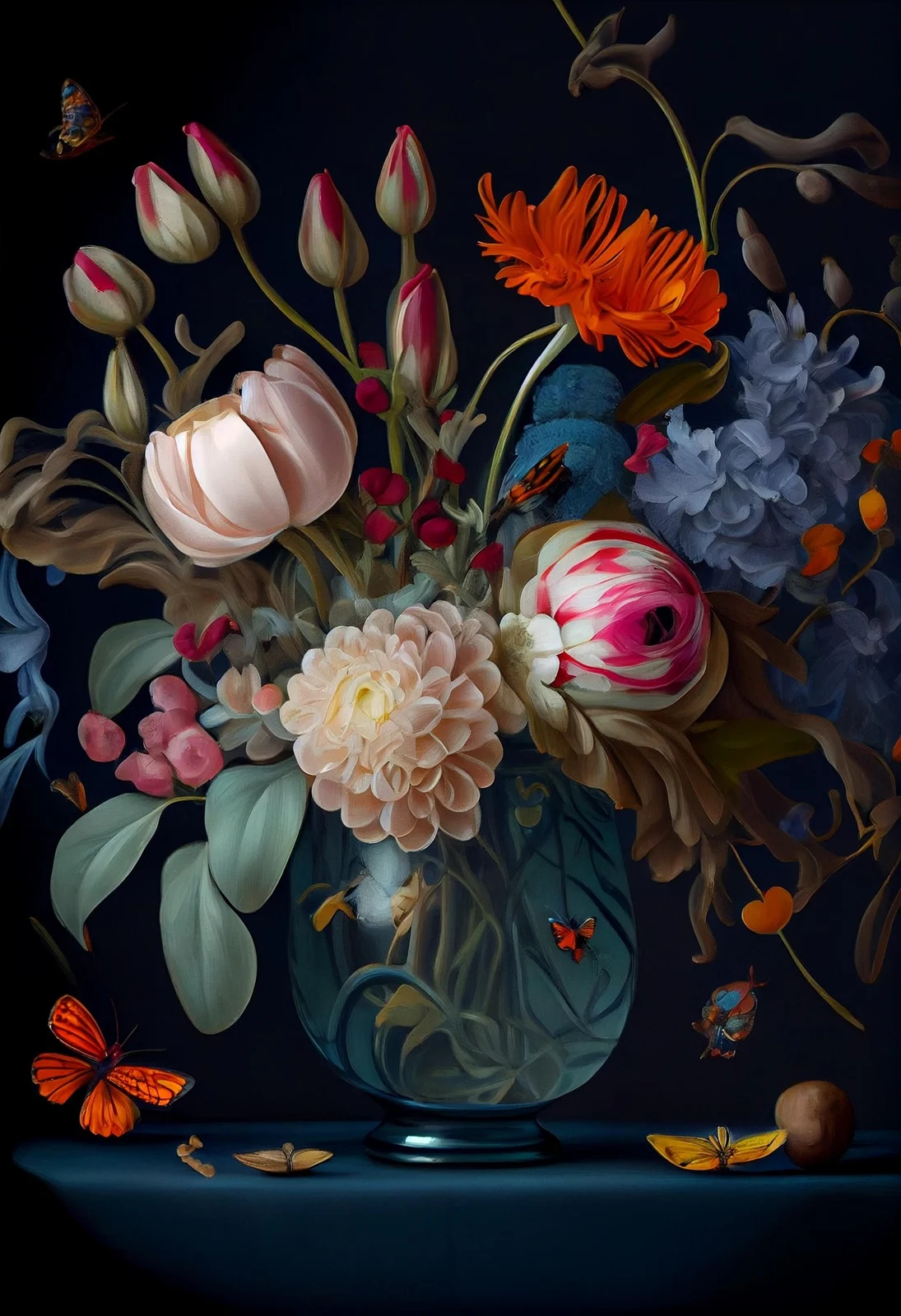
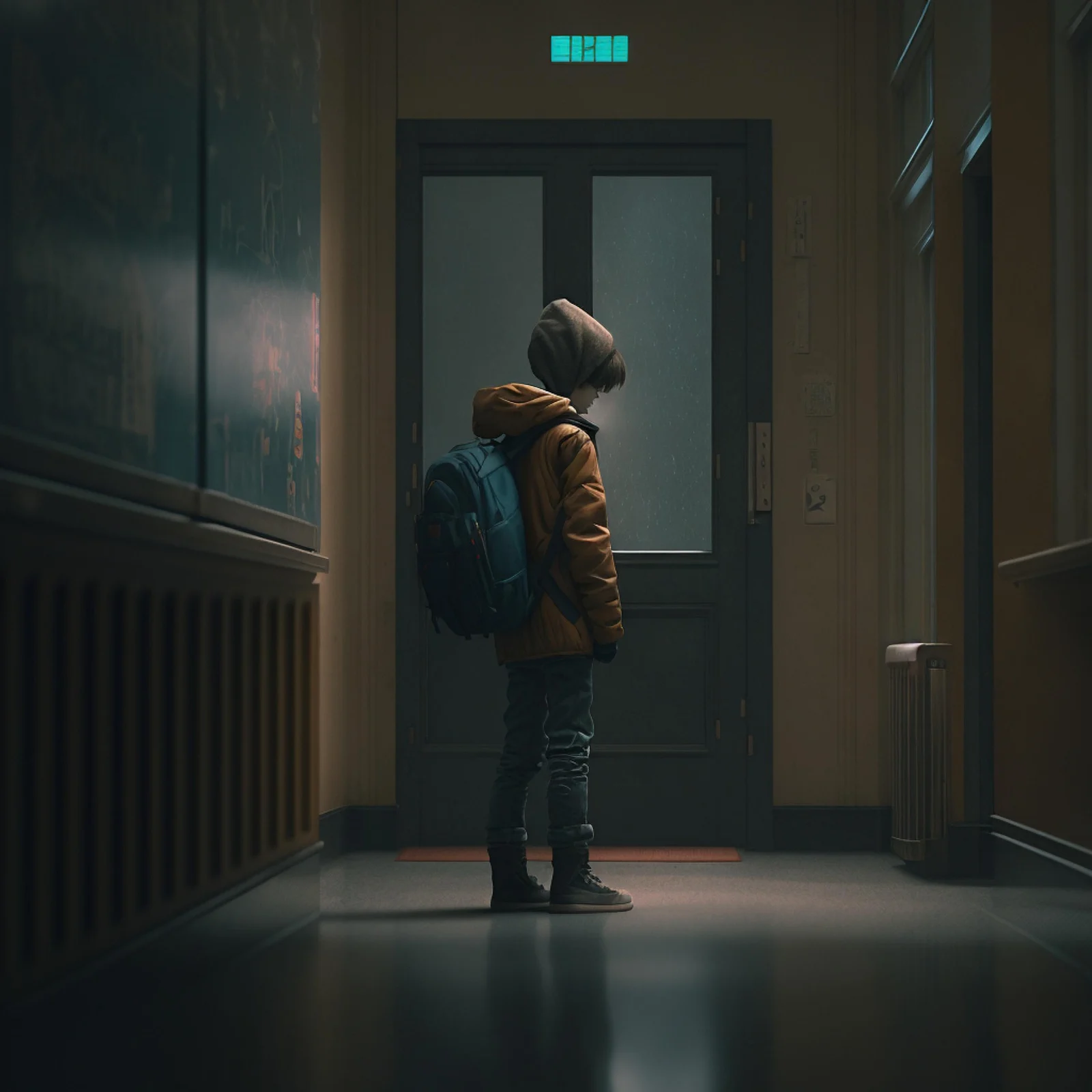
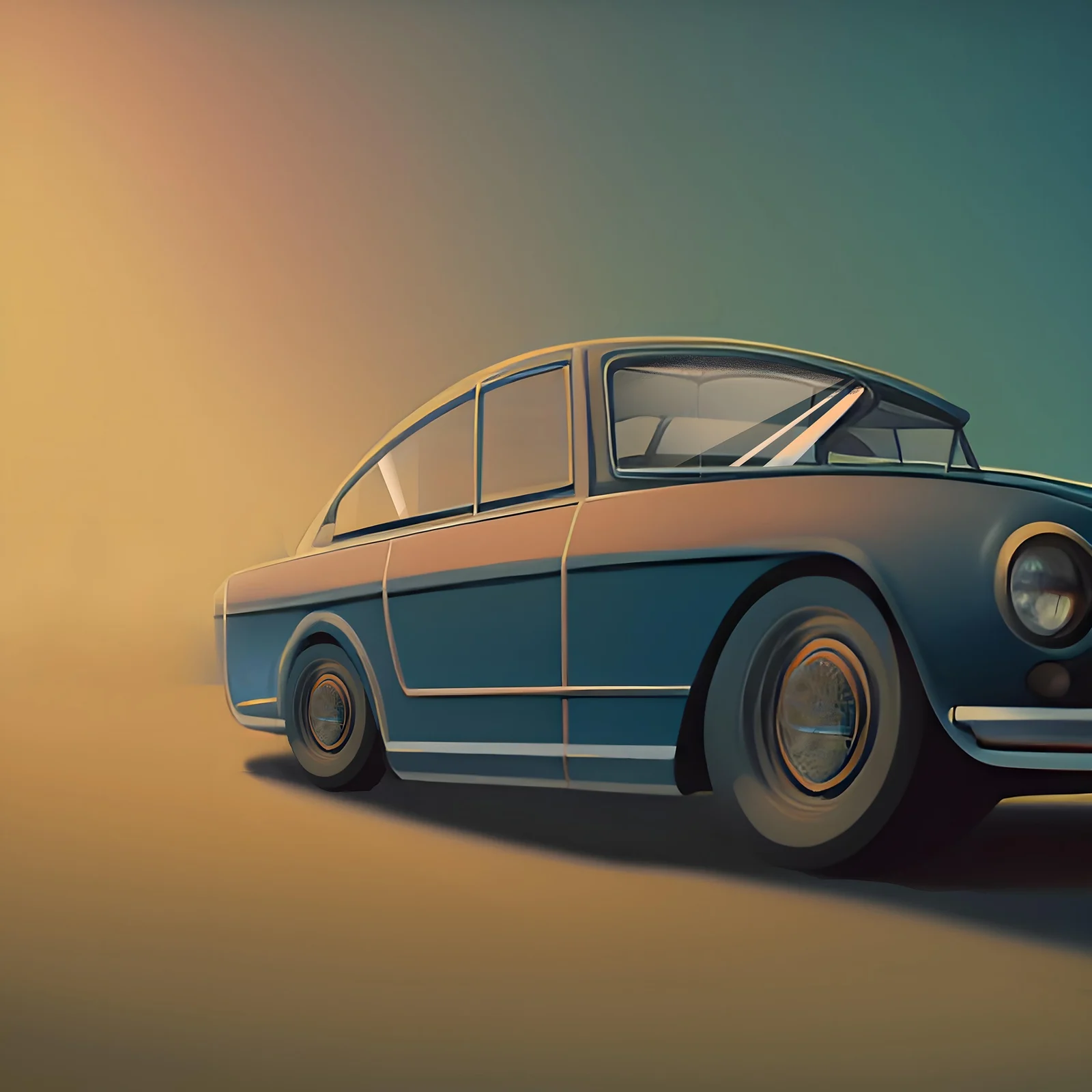
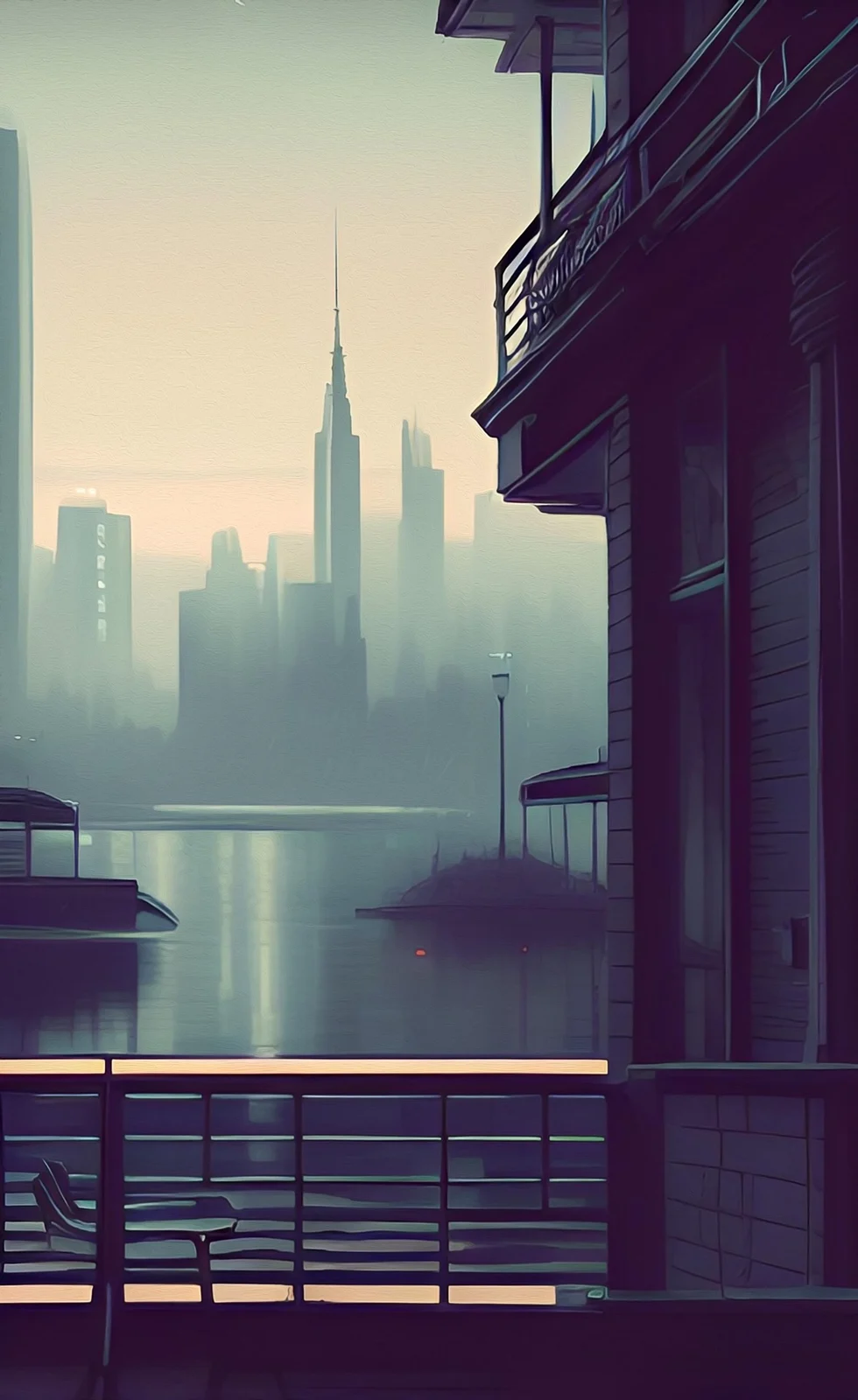
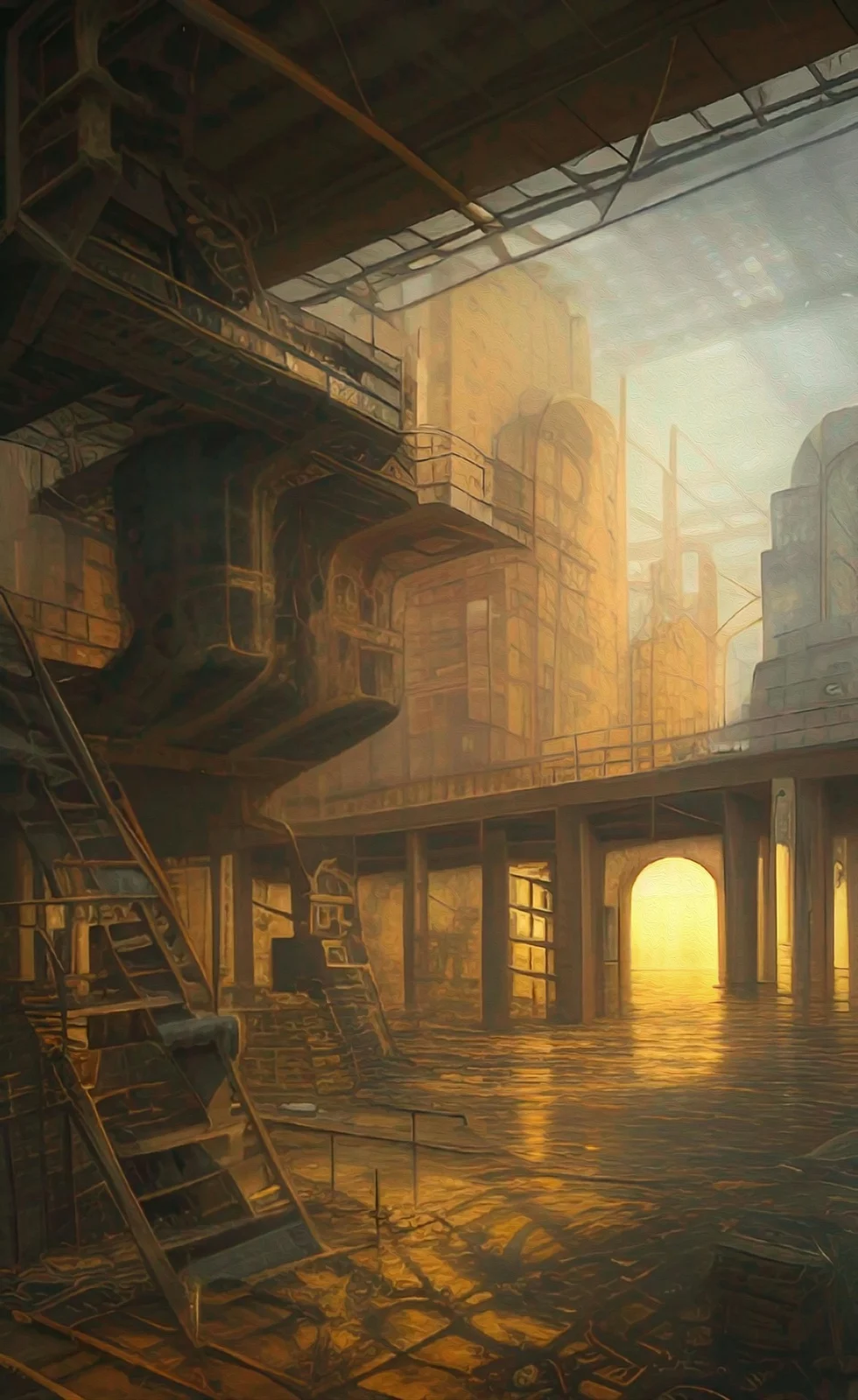


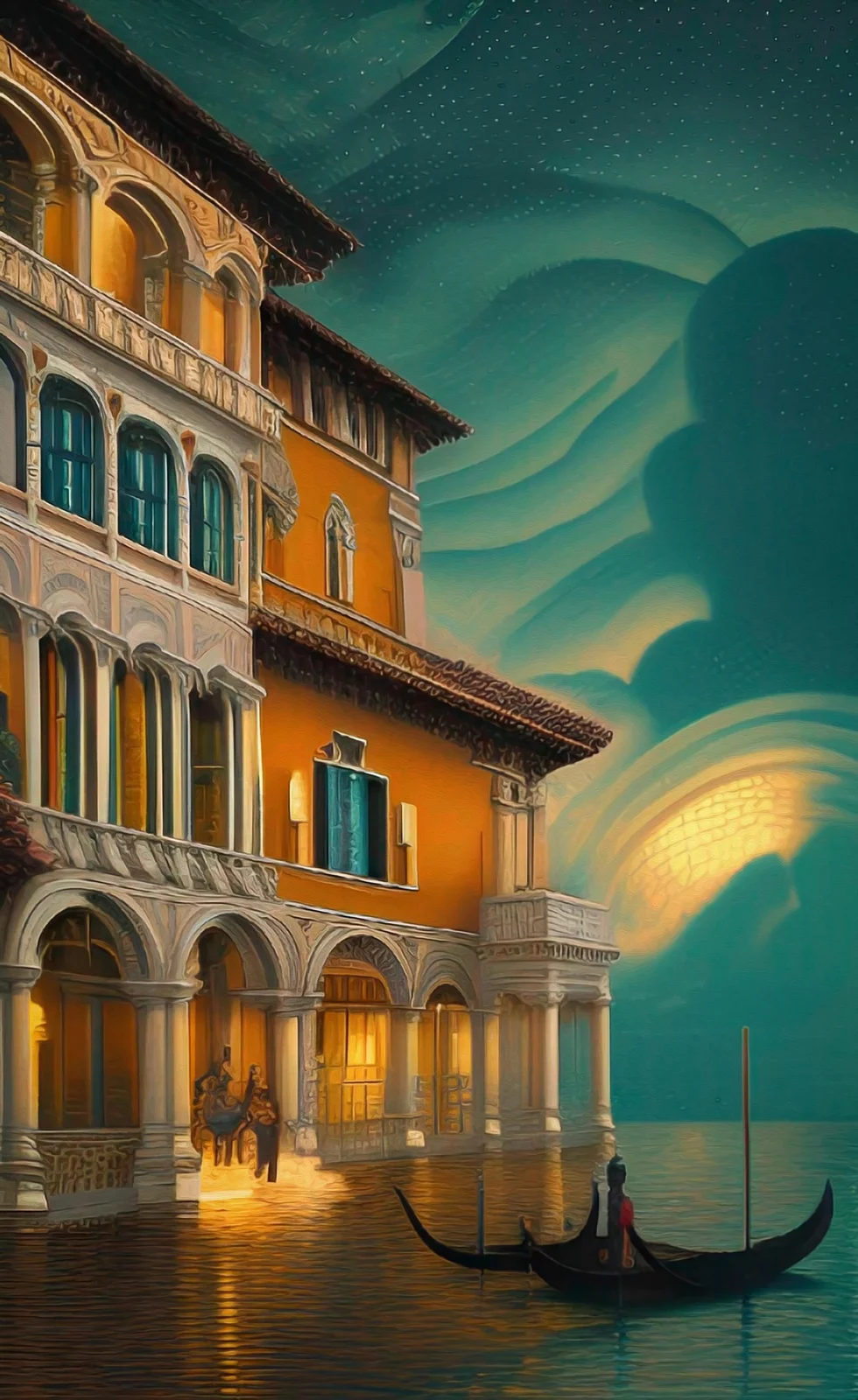
Find a starting point for Happy Wan. Open a reference artwork, explore its composition and adapt the creative brief. These independent references do not demonstrate a particular model’s output.
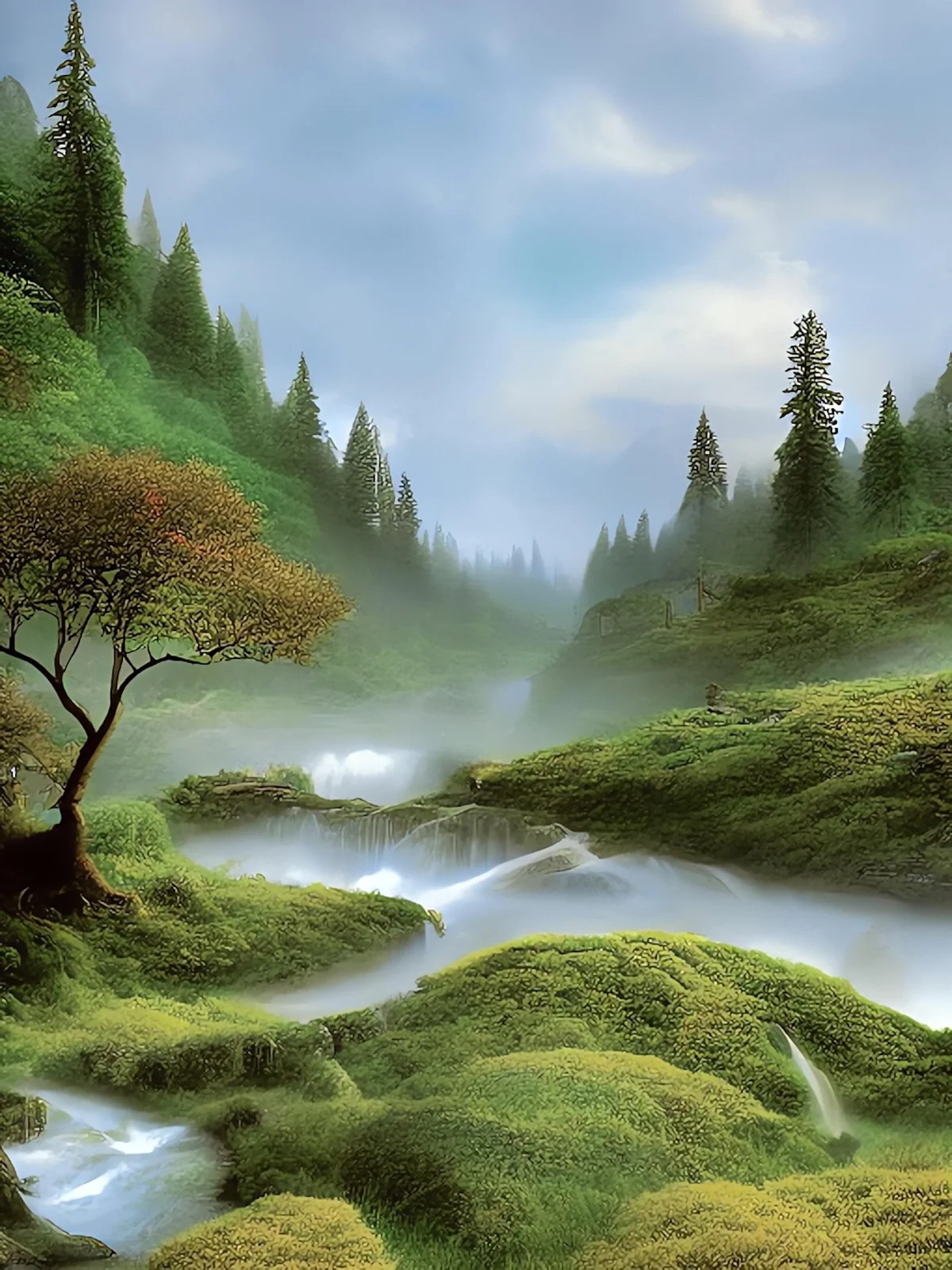
a misty stream winding through a green fantasy forest
Plan a Happy Wan forest scene with drifting mist and a gentle forward camera move.
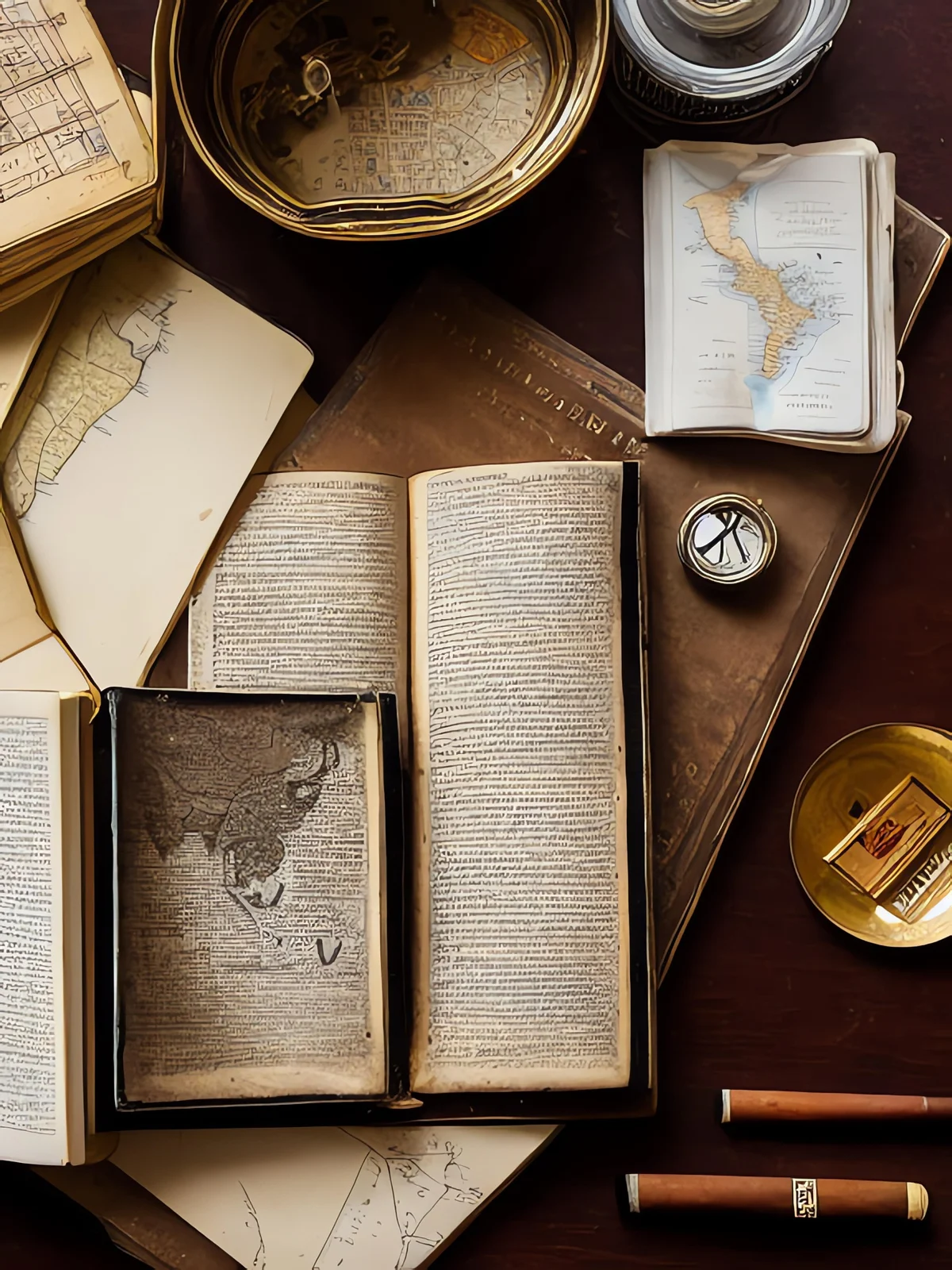
books, an inkwell and a quill arranged on a wooden desk
Let a page turn beside the ink bottle; keep the desk and warm light consistent.
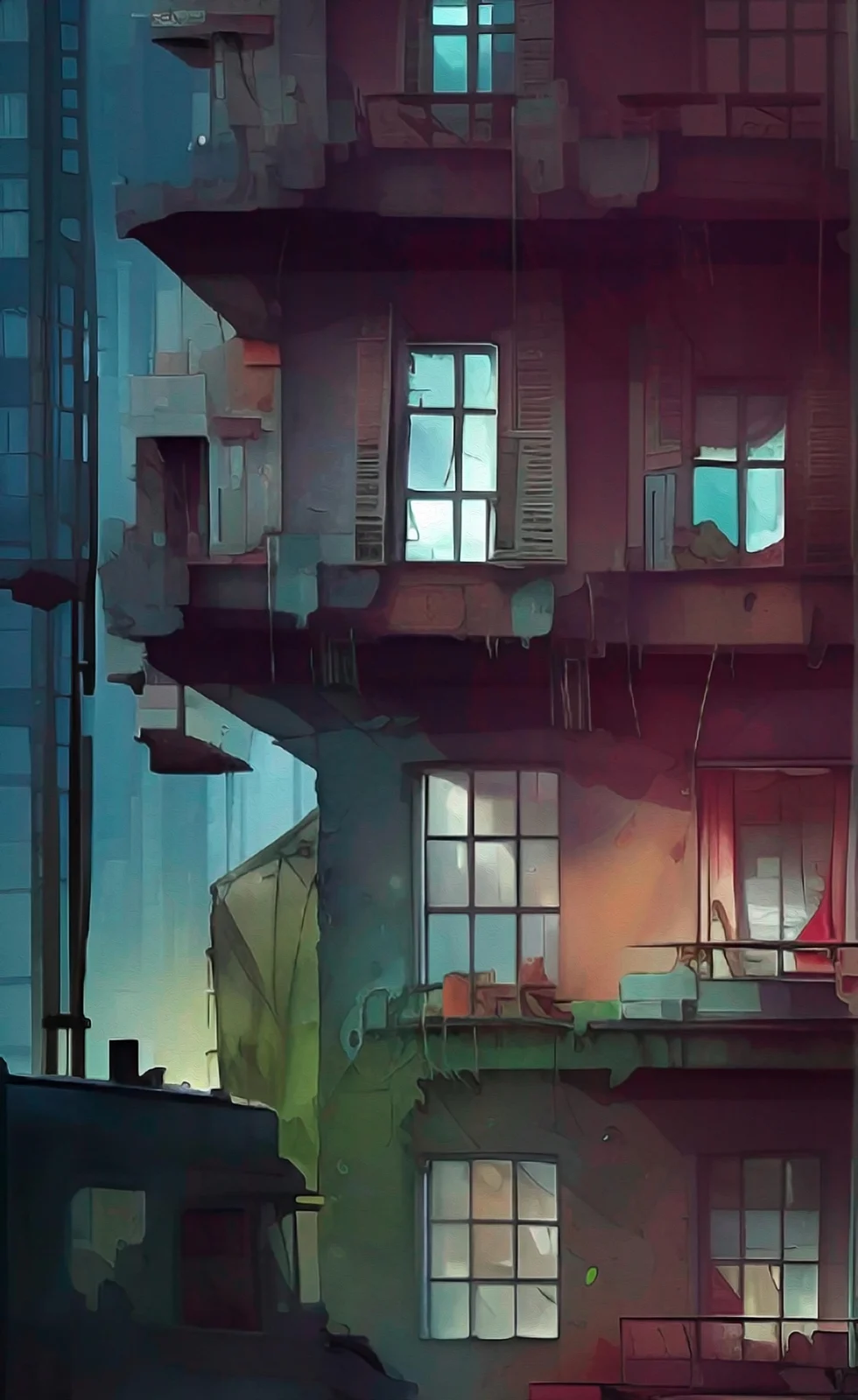
lit apartment windows in a rainy night scene
Develop a Happy Wan night scene around rain trails and a softly lit window.

a Boston terrier wearing a coat in a dark portrait
Describe one head turn while preserving the coat, proportions and portrait framing.
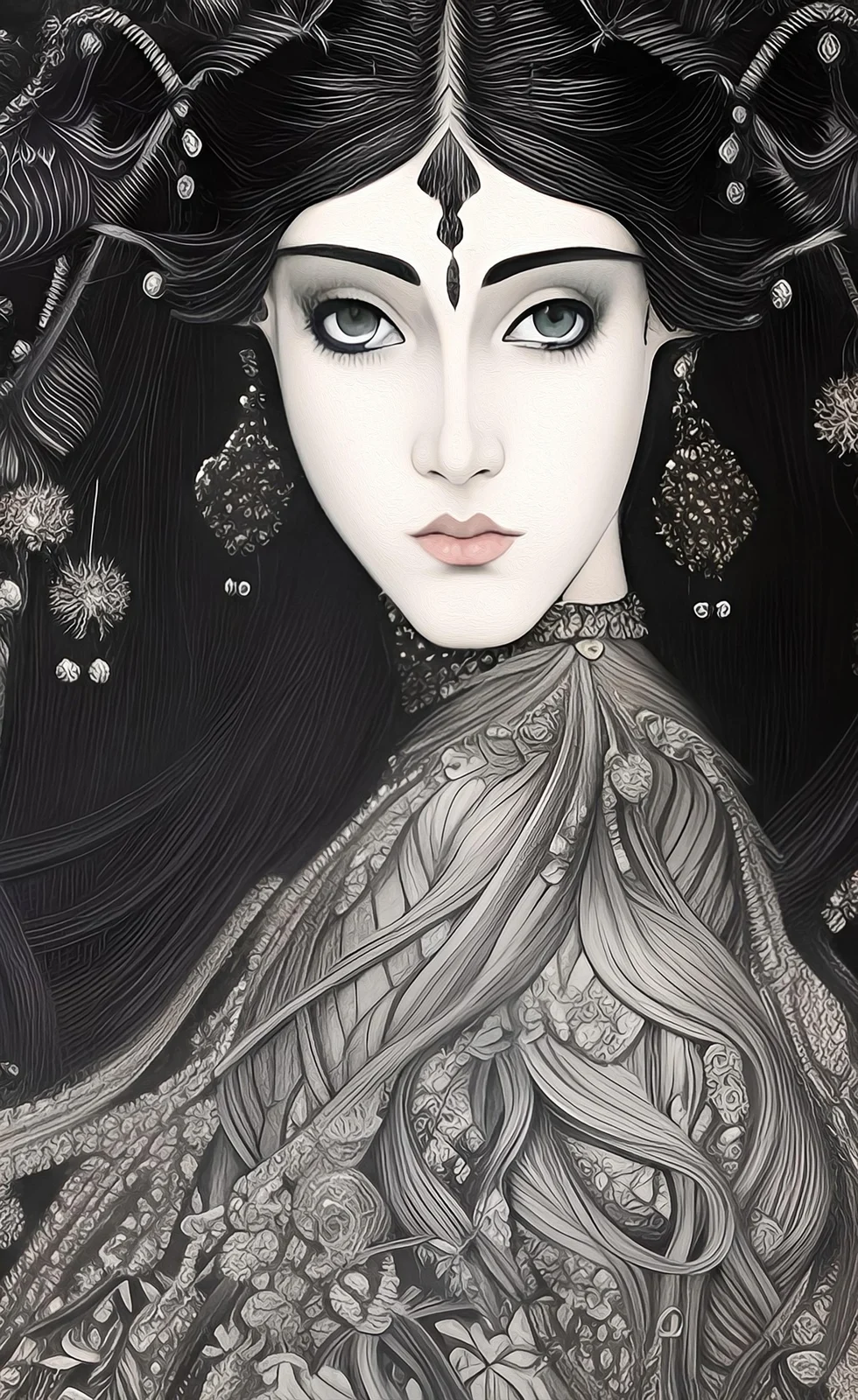
a monochrome woman with an intricate ornamental headdress
Explore a Happy Wan monochrome portrait with restrained movement and a steady close-up.

colorful Mediterranean houses on a rocky coastal hillside
Follow the coastline with a slow reveal, keeping the colorful houses as the focal point.
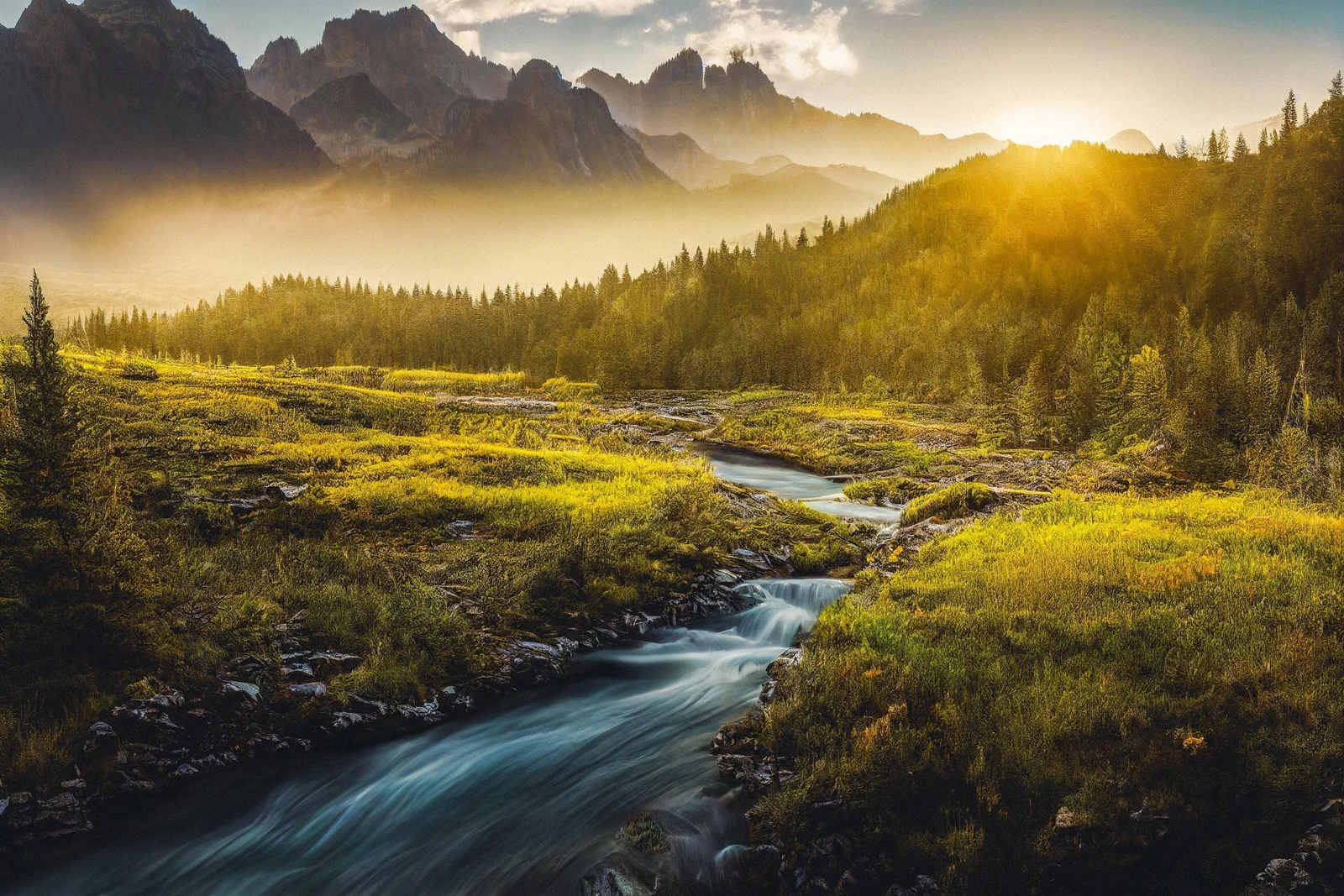
golden sunlight crossing a mountain stream and green meadow
Give this Happy Wan landscape flowing water, moving grass and one continuous camera direction.

branching yellow neurons against a dark background
Use a subtle pulse to explain the branching structure; keep the scientific labels editable.
Plan appearance and action together in Happy Wan: define the opening, the movement that changes it and the camera angle that reveals the moment.
Define the Happy Wan look through light, material and focus. Reflections on glass and fabric folds communicate more than unrelated style terms.
Give your Happy Wan character one complete action. Specify direction, pace and contact with objects to make the intended movement clear.
Keep clothing, proportions and lighting in a Happy Wan reference note. Reuse that direction across related shots, then inspect important details.
Put the main Happy Wan instructions first: who appears, what changes and how the camera sees it. Add atmosphere afterward.
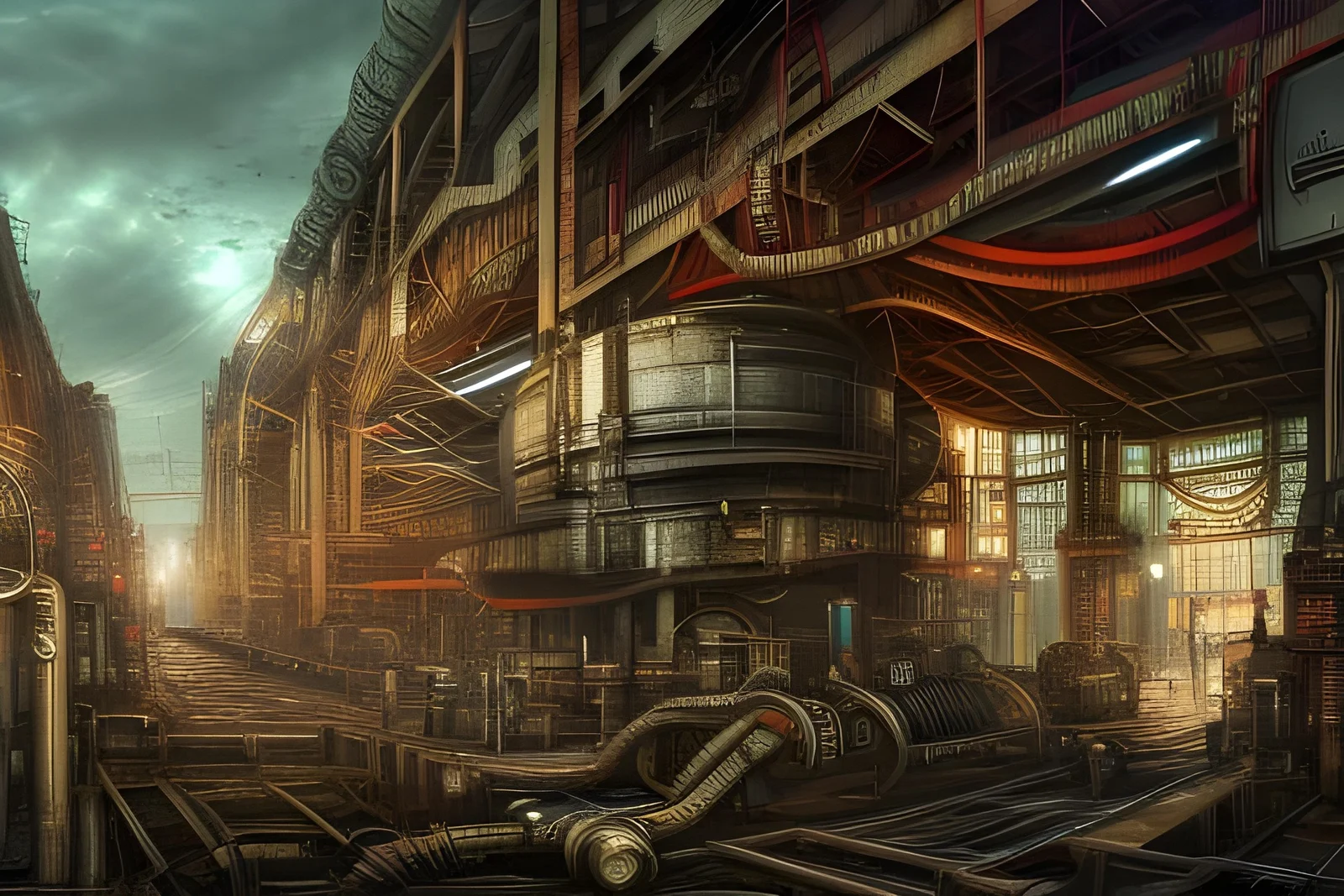
Choose the audience, then the style and pace. Give each Happy Wan shot a role: introduce a character, establish a location or reveal a product.

Plan a Happy Wan character entrance: a mouse steps from the forest and notices a falling leaf. One readable gesture introduces its personality.

Turn your artwork’s colors into a Happy Wan brand direction. Keep a clear focal point and add exact campaign lettering during editing.

Establish the location before the action. Describe a Happy Wan mountain scene through its light, calm lake and slowly changing clouds.
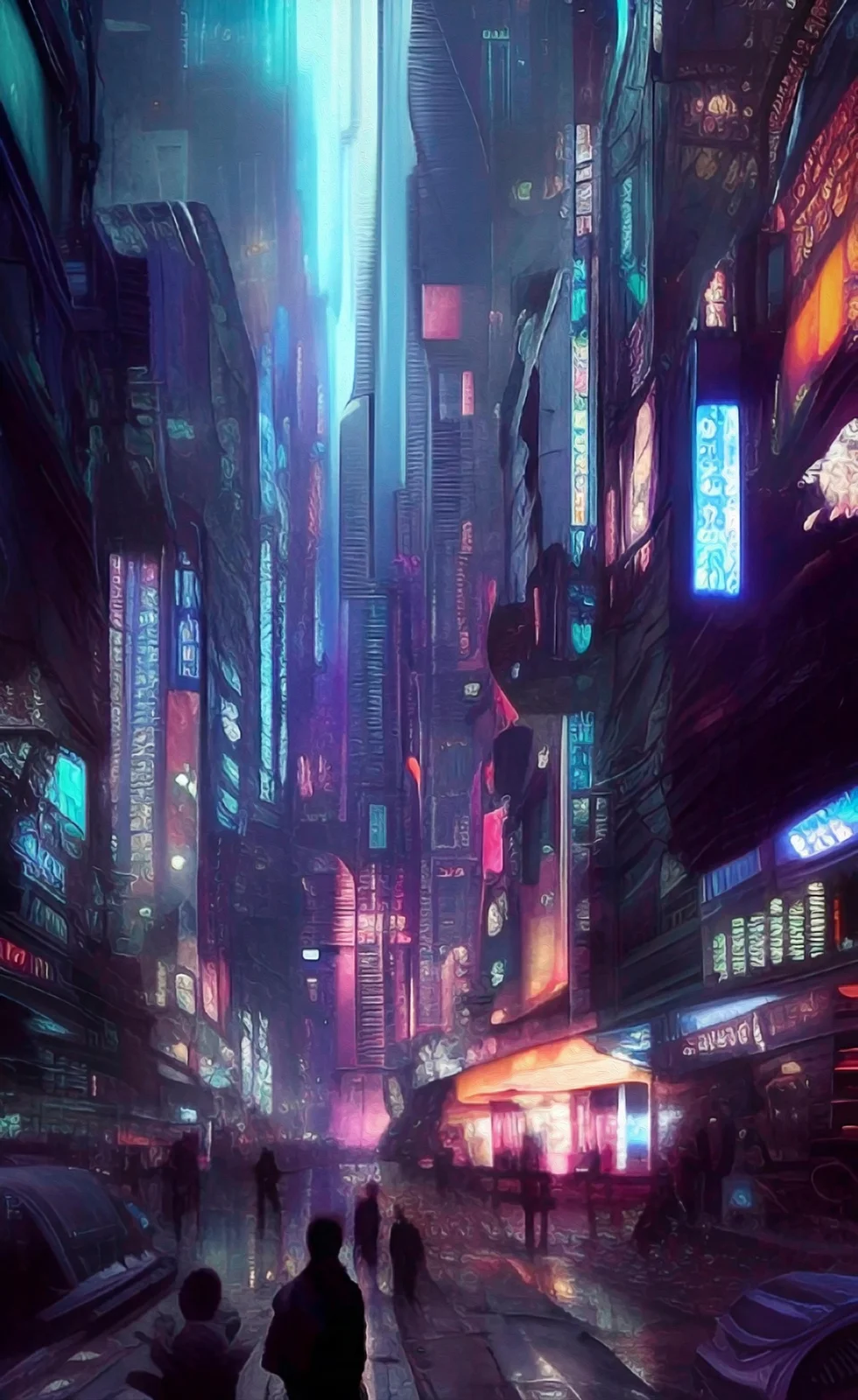
Build a Happy Wan scene around a character crossing a rainy street. Reflections and a following camera connect the person with the setting.
Choose a starting point, then describe the change. Give Happy Wan a subject, action, environment and camera direction before adding visual details.
A traveller opens a bookstore door; warm light reaches the pavement. Give Happy Wan an action and order of events, then add weather and atmosphere.
Use a photograph or illustration to establish the opening. Explain the next Happy Wan moment: a face turns, fabric moves or the camera reveals a product.
Use references to describe a person, product or room. Tell Happy Wan which details should recur, then keep those notes consistent across related shots.
A wide shot establishes place; a closer view reveals expression. Choose one deliberate camera move for your Happy Wan scene, directing attention toward the subject.
Separate dialogue, ambience and music. A Happy Wan sound brief can describe rain and one spoken line; choose audio options supported by the selected model.
Compare photographic light, miniatures and illustrated worlds. Keep the Happy Wan action constant to judge how materials, color and atmosphere change the scene.
A focused brief gives you a useful starting point and a clearer way to judge the result.
Write an idea or choose a reference you are entitled to use. Start your Happy Wan scene with the material that best explains its appearance and action.
Set the subject, movement and camera direction. Keep the first Happy Wan version focused, then change one meaningful detail when comparing alternatives.
Check motion, continuity and the intended framing. Take the chosen Happy Wan shot into your edit, then finish captions, sound and the transition to the next scene.
Happy Wan focuses on AI video creation from words and images, bringing subject, action, style and camera direction into briefs for short films, product videos and character animation.
Begin your Happy Wan text-to-video idea with a subject, setting and one action. Add light and camera direction after establishing the central event.
Use a photograph or illustration you are entitled to upload. Tell Happy Wan what happens after the opening image, then choose an input mode supported by the selected model.
Use references to communicate appearance, products and places. Explain each image’s role in your Happy Wan brief and keep recurring details consistent across related shots.
Describe a push-in, tracking shot, pan or fixed view. Give the Happy Wan movement a purpose, such as revealing product details or following a character.
Include spoken lines and environmental sound in a Happy Wan creative brief. Actual audio generation and available settings depend on the model selected in the workspace.
Develop photographic, animated or illustrated Happy Wan scenes through materials, light and color. Add a visual reference when you already have a specific artistic direction.
Keep one subject, action and setting, then add camera and style. When comparing Happy Wan versions, change the most important instruction while keeping the other conditions consistent.
Start by expressing an idea in words or a picture. For longer Happy Wan projects, arrange the chosen shots in an editor and add captions, music and branding.
Account rewards follow the displayed rules. Free credits do not mean unlimited access to every model; check the selected model, quote and eligibility before submitting a Happy Wan task.
Start with one memorable moment. Give Happy Wan a subject, a clear action and a visual direction, then build the next shot around your story.